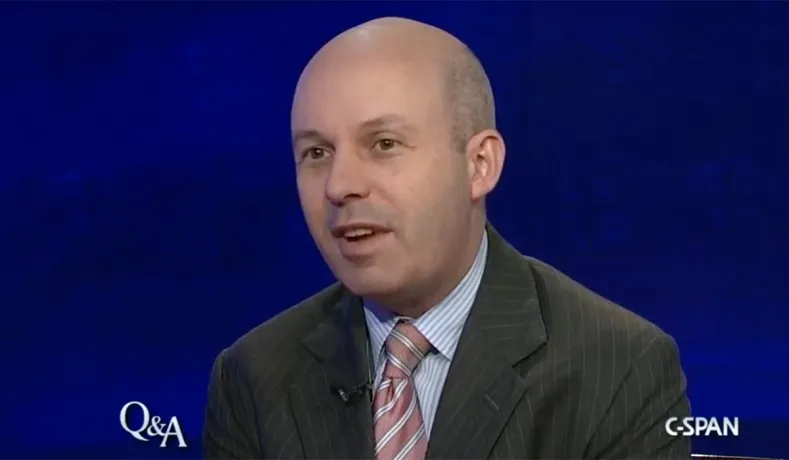
JUSTICE : We know a bit more about the Tom Goldstein case
2025-02-05 - RICHARD Fabien
Share
Undoubtedly, Tom Goldstein has gone too far, he is today accused and ruined!

Between 2016 and 2022, Goldstein would have accumulated debts exceeding $3.3 million, mainly due to high-stakes poker games. According to prosecutors, he not only hid some of his winnings from the IRS but also diverted funds belonging to his law firm, Goldstein & Russell, P.C., to cover his losses.

One of the most disturbing episodes occurred in 2018, when he would have claimed to the U.S. Customs and Border Protection that he was in possession of nearly $1 million in cash after a trip to Macao. Despite this claim, no trace of this amount appeared in his tax return for that year.

Worse yet, in 2020 and 2021, he would have made more than $10 million in cryptocurrency transactions related to his poker activities, without informing the IRS. These accusations of massive concealment further reinforce the seriousness of the charges against him.


A lifestyle financed by deceit?


Authorities also claim that Goldstein deliberately falsified several bank documents. In 2022, he would have failed to report the extent of his debts in a mortgage loan application, allowing him to purchase a $2.6 million property in Washington, D.C.

Another troubling element: some salaries and health benefits, supposedly paid to employees of his law firm, would have actually been destined for women with whom he had personal relationships, who would have played no professional role in his business.

Facing these accusations, the lawyer pleaded not guilty, and his defenders, John Lauro and Christopher Kise, denounced judicial harassment. They believe the government acted hastily without thoroughly examining their client's financial and personal situation.

In this context, Goldstein now asks the court to review the conditions of his bail. He wishes, in particular, to obtain permission to use the net value of his property to finance his defense costs. According to his lawyers, the current restrictions would violate his right to a fair trial, preventing him from fully ensuring his defense.

Pending his trial, he is subject to strict rules: prohibition of playing poker, participating in any form of gambling activity, and obligation to remain in the Washington, D.C. area, except with explicit court authorization.

The Goldstein case casts a shadow over the American judicial system. Founder of the famous SCOTUSblog, he argued no fewer than 44 cases before the U.S. Supreme Court, establishing himself as an indispensable figure in constitutional law.

His involvement in clandestine poker games, coupled with suspicions of tax evasion and financial deceit, raises questions about the ethical responsibility of prominent lawyers. This scandal starkly reminds us that no one, regardless of their status, is immune to the consequences of their actions.

Tom Goldstein's trial could become an emblematic case, illustrating how justice deals with financial crimes committed by high-level professionals. In the meantime, the legal profession follows this descent into hell with attention, which may redefine the boundaries of integrity within the world of law.